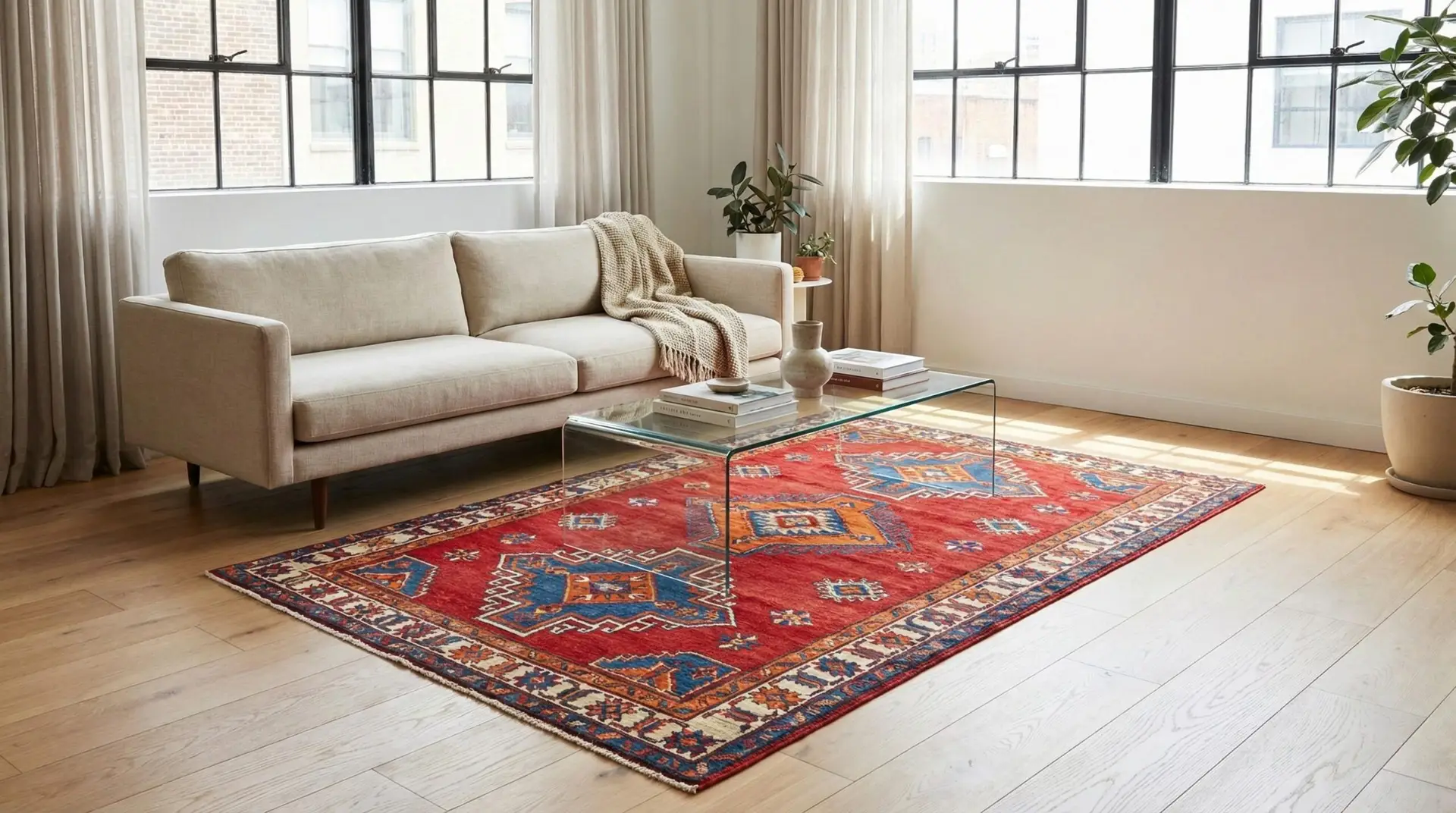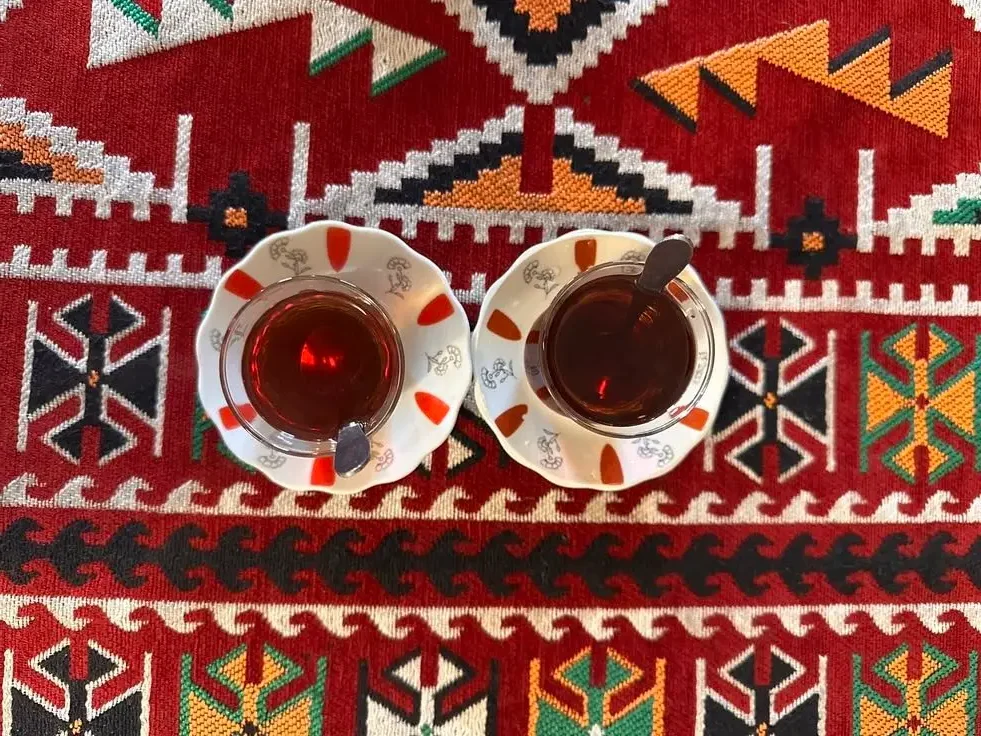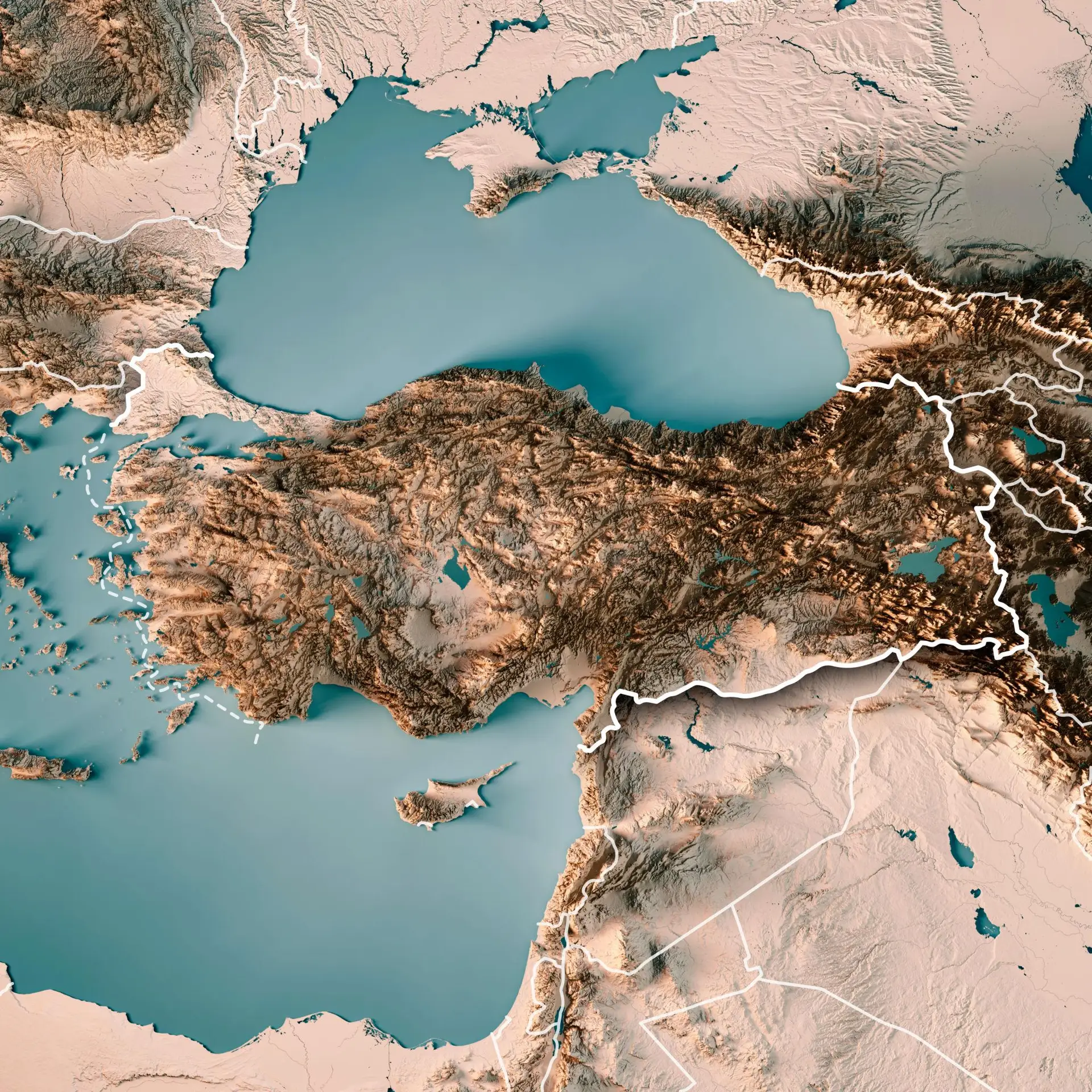
The fastest way to tell an experienced rug collector from a beginner is not by asking them the age of a carpet, but where they think it comes from. A Turkish rug is rarely just “Turkish.” More often, it belongs to a landscape.
The windswept plateaus of Central Anatolia, the olive-covered hills of the Aegean, the snowy highlands of Kars or the fertile valleys around Konya have each produced weaving traditions with their own colors, materials and visual rhythm.
For centuries, rugs were not designed in isolation; they evolved alongside geography, climate and the communities who called those places home.
To read an Anatolian rug is, in many ways, to read a map.
Geography Leaves a Signature
Unlike factory-made carpets, traditional handmade Turkish rugs were created with whatever the landscape offered.
Wool varied depending on local sheep breeds, natural dyes depended on regional plants and minerals, and even the texture of a rug could reflect the climate in which it was woven.
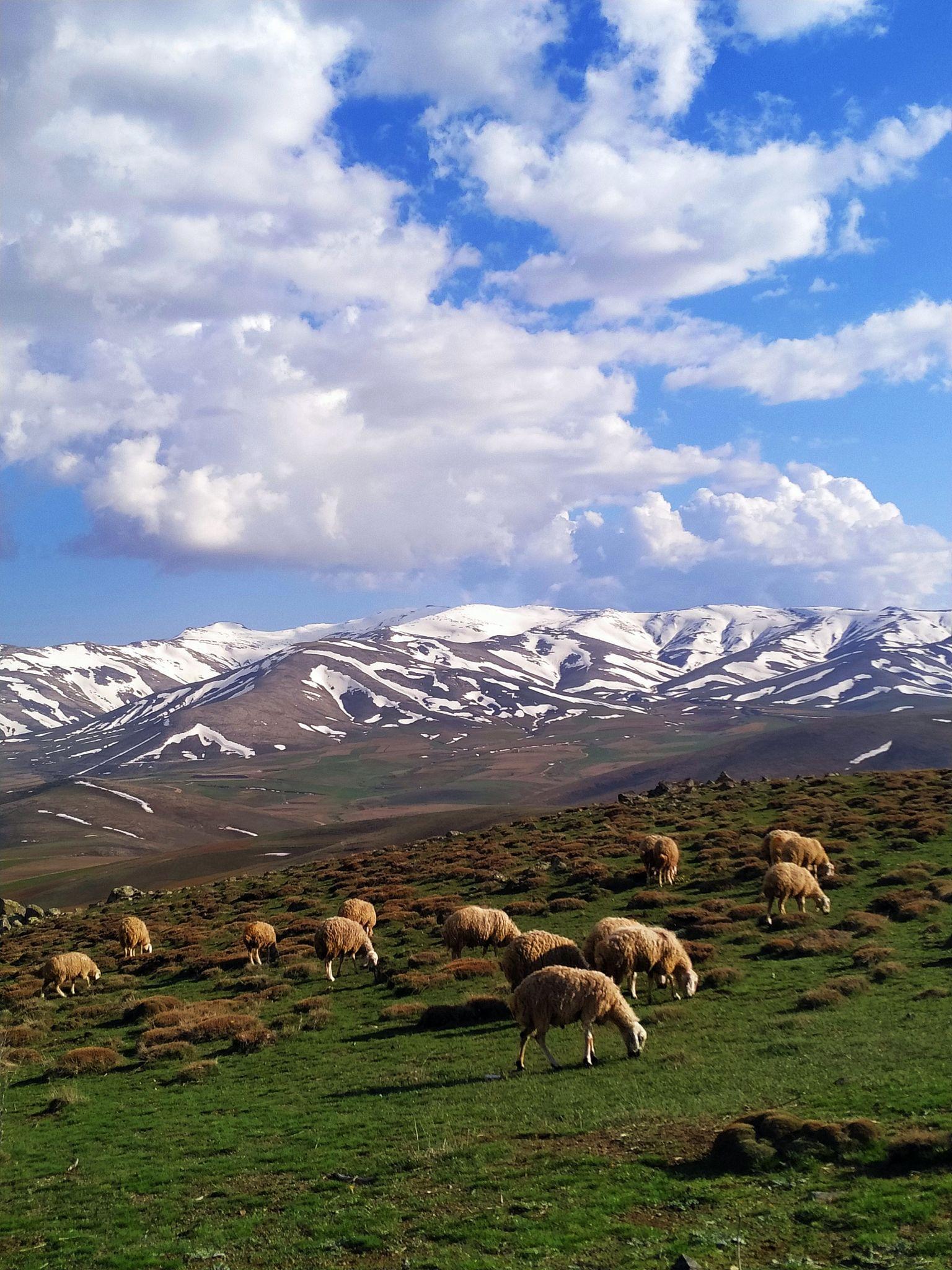
A village surrounded by mountains developed different weaving habits from one overlooking the Aegean coast.
Nomadic communities favored bold, portable designs, while urban weaving centers often became more intricate and refined. Over time, these regional differences became so distinctive that many rugs were named after the nearest town or marketplace rather than the individual village where they were actually woven.
The result is a remarkable patchwork of identities across Anatolia.
Western Anatolia: Soft Light and Spacious Design
Western Anatolia is perhaps the most internationally recognized weaving region, home to celebrated traditions such as Oushak, Bergama and Yağcıbedir. Although geographically close, these carpets could hardly feel more different.
Oushak rugs are known for their generous compositions and unusually soft palette. Faded terracotta, warm ivory, dusty blue and pale gold give them an almost atmospheric quality, which explains why they have remained favorites in contemporary interiors for centuries.

Further north, Bergama rugs tell another story. Influenced by Yörük weaving traditions, they embrace stronger geometry, deep reds and powerful navy contrasts.
Their bold medallions feel less ornamental and more architectural, reflecting a nomadic visual language that values clarity over delicacy. Geography alone did not determine style, but it certainly shaped the materials, movement and cultural exchanges that allowed these distinct identities to emerge.
Central Anatolia: Where Geometry Found Its Discipline
If Western Anatolia often feels expansive, Central Anatolia feels remarkably structured. The region surrounding Konya, one of the great centers of Seljuk culture, became known for carpets in which geometric order and spiritual architecture coexist beautifully. Prayer rugs from Ladik frequently feature elegant mihrab compositions framed by disciplined borders and stylized botanical forms.
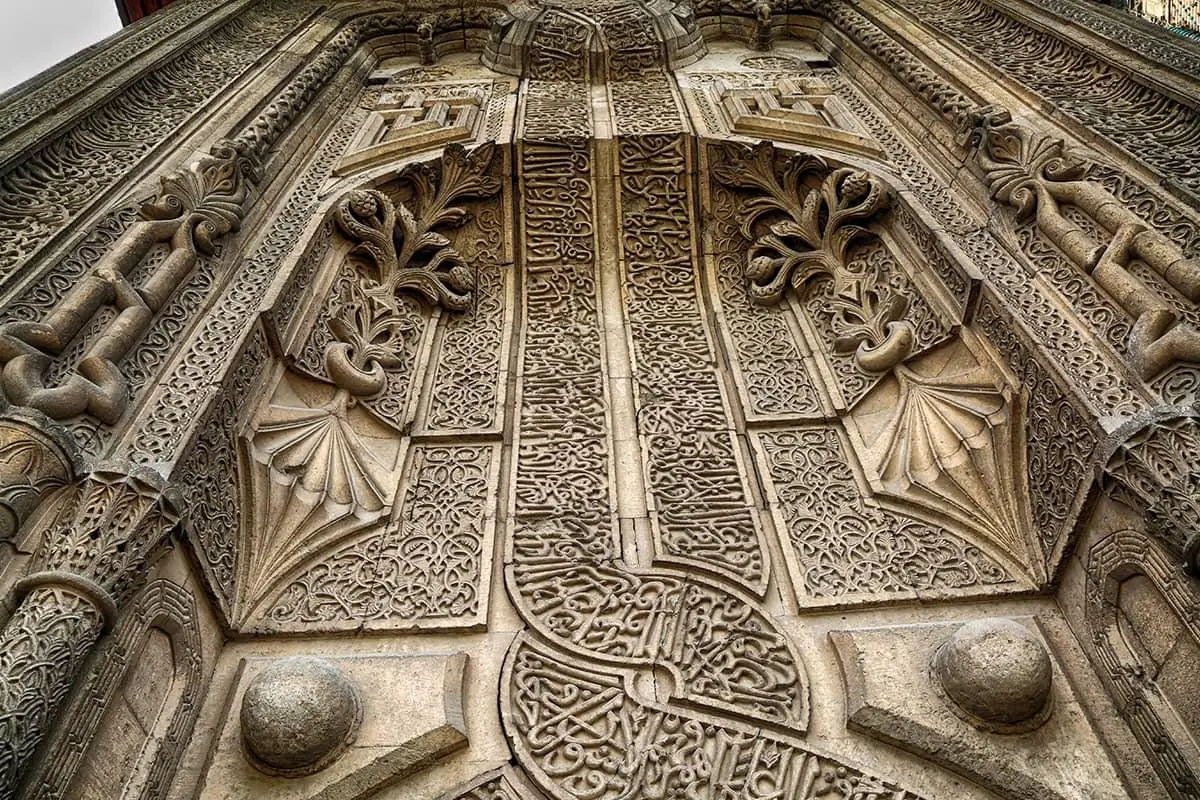
Nearby Kayseri developed a different reputation altogether. As an important urban weaving center, it became celebrated for exceptionally fine wool and silk carpets, where floral medallions and intricate compositions reveal a closer relationship to courtly craftsmanship than village weaving.
The contrast between Konya and Kayseri reminds us that regional identity is never only about geography. Cities, trade routes and patronage shape aesthetics just as powerfully as mountains and plains.
Eastern Anatolia: The Language of the Highlands
Travel east, and the landscape changes dramatically. Higher elevations, longer winters and pastoral life contributed to a weaving culture built around exceptionally durable wool and striking geometric compositions. Kars carpets are particularly admired for their restrained yet powerful color palettes and their visual relationship with neighboring Caucasian traditions.
Unlike the softer tones of Oushak, Eastern Anatolian rugs often feel grounded in earth and stone. Browns, deep reds, indigo and natural undyed wool dominate the palette, creating carpets that seem inseparable from the dramatic landscapes that produced them.

It is no coincidence that many collectors describe these rugs as having a strong architectural presence. The mountains appear to have entered the pattern.
Why Regional Rugs Still Matter Today
Today, the names Bergama, Oushak, Konya, Milas, Kars and Kayseri often function like the names of wine regions. They do not simply identify a location; they suggest a particular character, material tradition and aesthetic language.

This is why understanding geography changes the way we buy and appreciate Turkish carpets. Instead of asking whether a rug matches a room, we begin asking where its visual vocabulary was born.
Why are the borders so bold?
Why does one palette feel sun-washed while another feels intensely saturated?
Why do some compositions breathe with empty space while others celebrate density?
The answers are often found not in the rug alone, but in the landscape behind it.