Turkish Rugs as Status, Story, and Soul in Ottoman Life
People often describe the Ottoman Empire through its domes, mosques, calligraphy, and ceramics. Yet one of its most sophisticated cultural achievements was found underfoot.
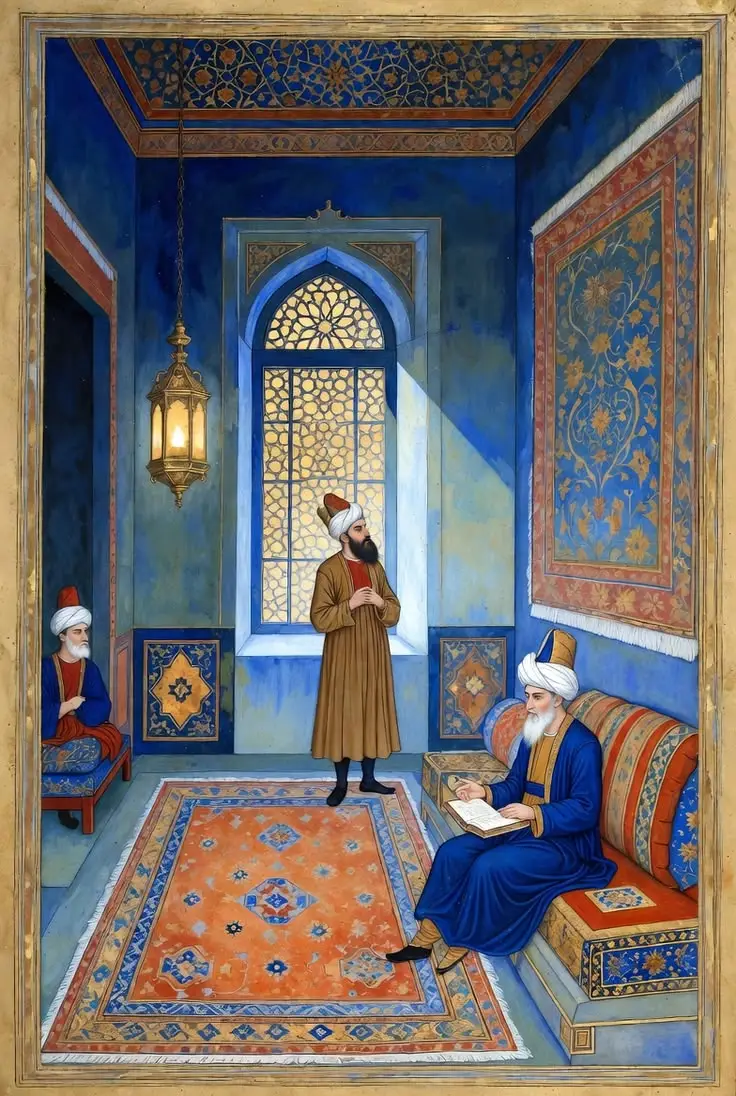
A Turkish rug occupied the same spaces where sultans received ambassadors, merchants negotiated fortunes, scholars debated theology, and families marked the milestones of ordinary life. It was never isolated from society. It participated in it.
That is why studying a Turkish carpet tells us more than studying a room without one. The carpet reveals how Ottomans thought about authority, hospitality, craftsmanship, and beauty. It offers another way of reading Turkish history, one knot at a time.
The First Thing Foreign Ambassadors Noticed
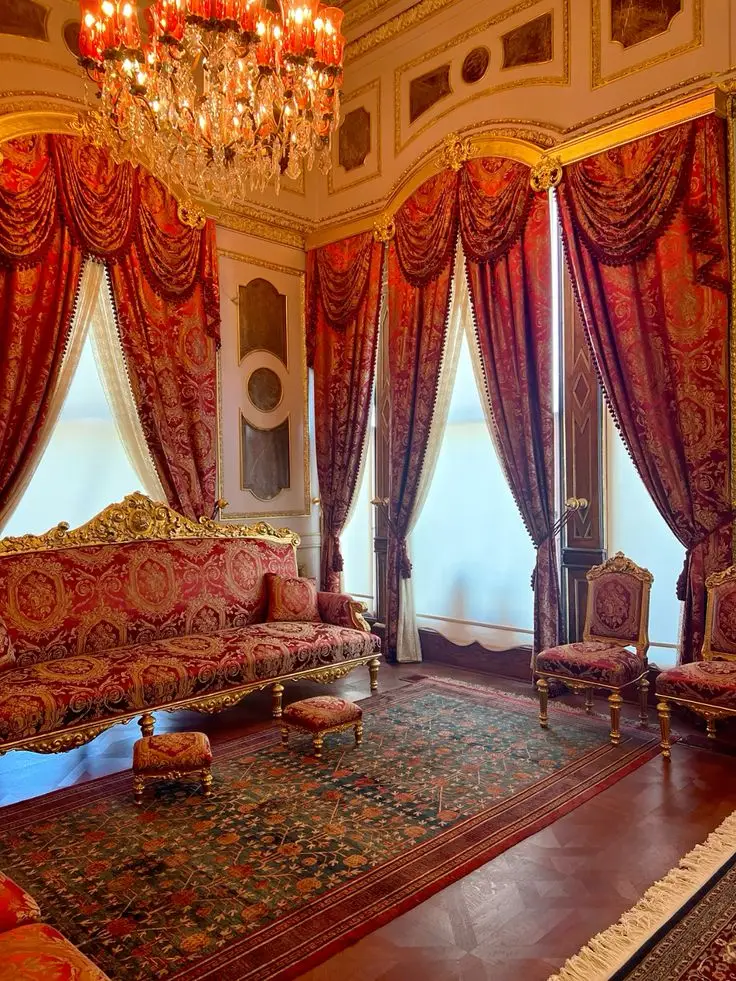
When European envoys entered the Ottoman court, they expected displays of gold, marble, or monumental furniture. Instead, they encountered interiors where the floor carried much of the visual richness.
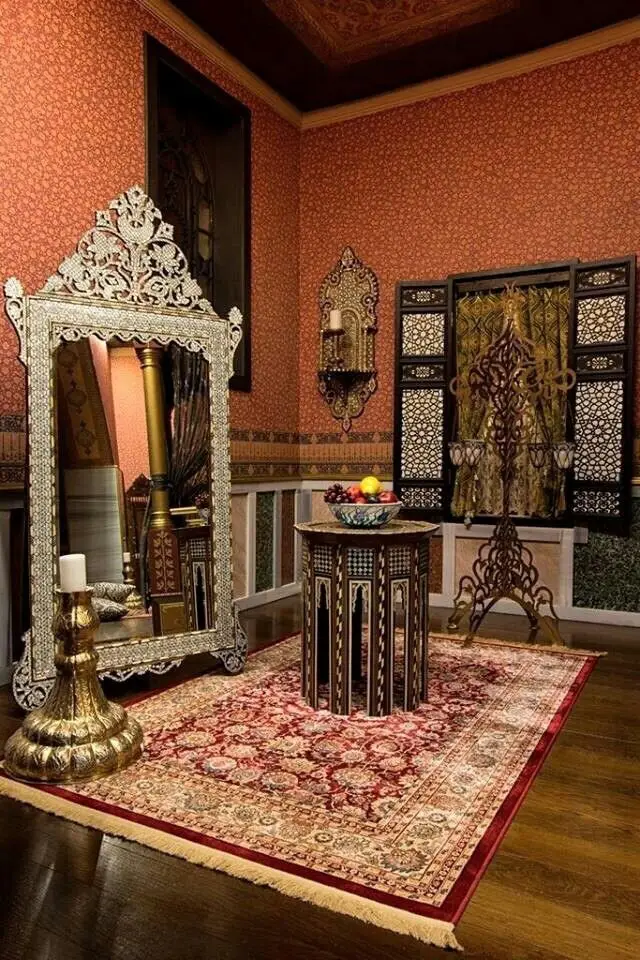
Carpets stretched across reception halls, softened acoustics, and established a sense of order before a single word was spoken. Seating followed the arrangement of the room, which in turn followed the placement of the textiles. The experience was carefully orchestrated.
This was not accidental. Ottoman rulers understood that power was communicated through atmosphere as much as architecture. A finely woven Turkish carpet became part of that atmosphere, expressing refinement without spectacle.
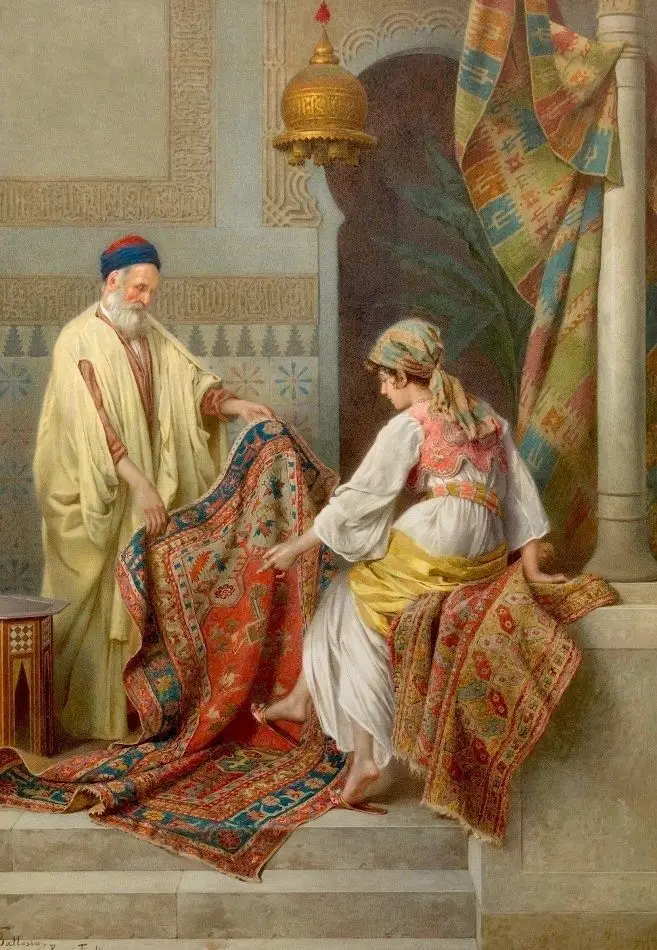
Perhaps this is why Ottoman carpets fascinated European collectors for centuries. Long before museums began displaying them behind glass, they had already become diplomatic gifts, prized imports, and recurring subjects in Renaissance paintings.
A Room Could Change Purpose. The Carpet Did Not.
Modern homes assign permanent functions to rooms. We have dining rooms, bedrooms, studies, and living rooms.
Ottoman houses worked differently.
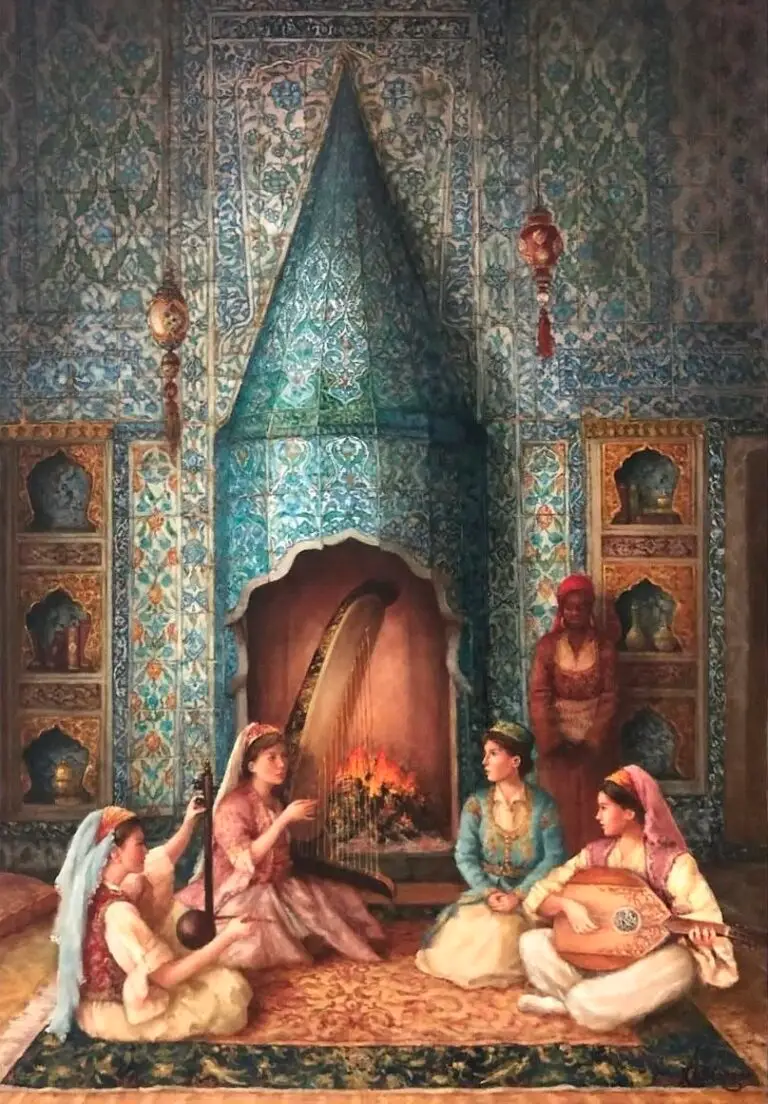
A reception room in the afternoon could become a sleeping space at night. Furniture was light and movable, allowing interiors to adapt throughout the day. What remained constant was the floor.
The Turkish rug gave coherence to this changing environment. Rather than serving a single activity, it created a setting in which many activities could unfold.
Conversation, prayer, meals, music, and family gatherings all took place on the same woven surface.
This flexibility explains why carpets occupied such an important place in Ottoman domestic life. They were not chosen after the room was designed. In many ways, the room was designed around them.
Not Every Carpet Belonged to the Palace
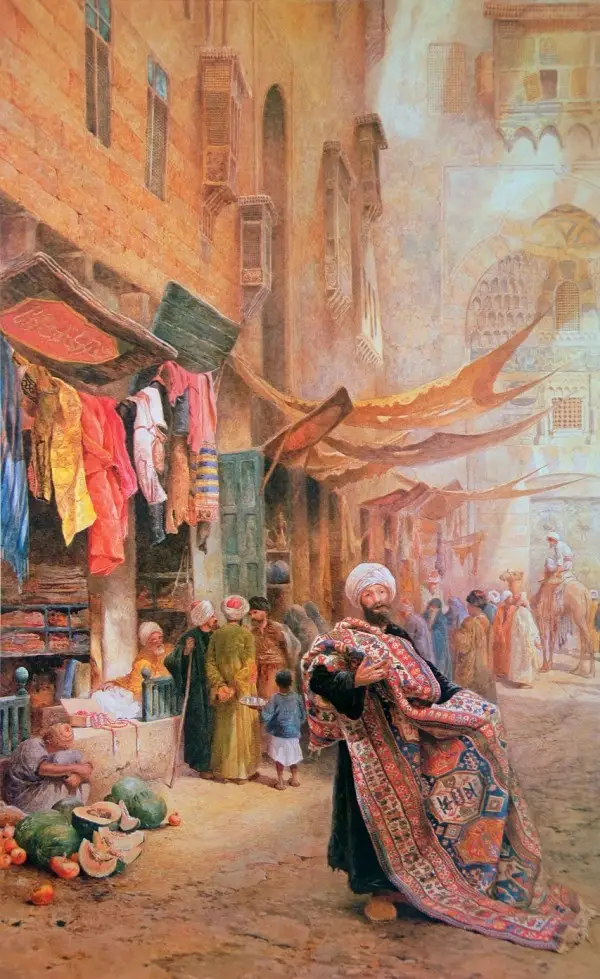
The Ottoman Empire produced extraordinary court carpets, but its textile culture extended far beyond imperial workshops.
Palace ateliers created magnificent silk carpets intended for ceremonial spaces and diplomatic presentation. Their patterns reflected the artistic language of the court, with elegant floral compositions, refined symmetry, and exceptional knot density.
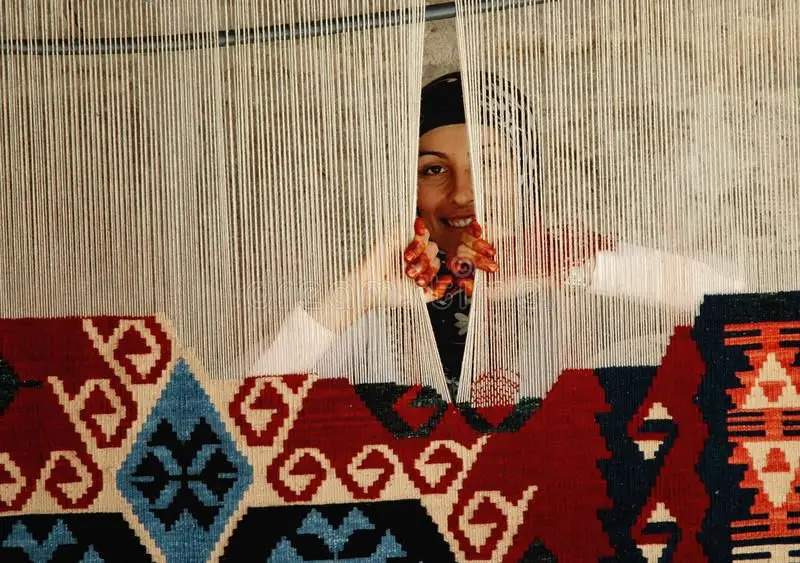
Elsewhere, village weavers produced Turkish kilim designs that reflected local traditions rather than imperial taste. These flat-woven textiles were practical, durable, and deeply personal. Their motifs often recorded wishes for prosperity, protection, marriage, or fertility, making each kilim a visual record of everyday life.
Together, the court carpet and the Turkish kilim reveal two sides of Ottoman society. One projected imperial authority. The other preserved regional identity.
The Economics of Patience
A handmade carpet represented something increasingly rare today: visible labor.
Before industrial production, every stage demanded time. Sheep were sheared according to the season. Wool was washed, spun, dyed with natural materials, and knotted by hand. Months of work might produce only a few square meters of weaving.
For this reason, Ottoman estate inventories frequently listed carpets among a family’s valuable possessions. They were bought, inherited, donated, repaired, and carefully maintained. A well-made carpet was expected to outlive its first owner.
This long lifespan changed how people viewed ownership. A handmade carpet was not purchased for a trend or a season. It was acquired with future generations already in mind.
Why Renaissance Paintings Are Full of Ottoman Carpets
One of the most remarkable chapters in Turkish history unfolded outside the Ottoman Empire.
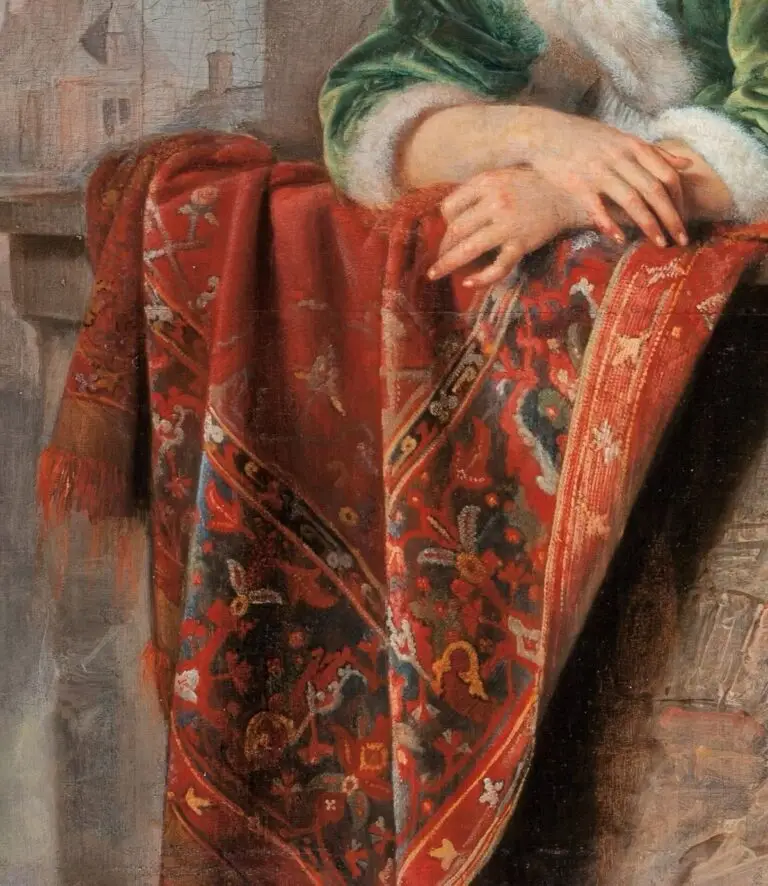
During the fifteenth and sixteenth centuries, European painters began depicting Ottoman carpets beneath kings, merchants, saints, and wealthy patrons. Today, art historians even use terms such as “Holbein carpets” and “Lotto carpets” to identify certain Ottoman designs because they appear so frequently in the works of those painters.
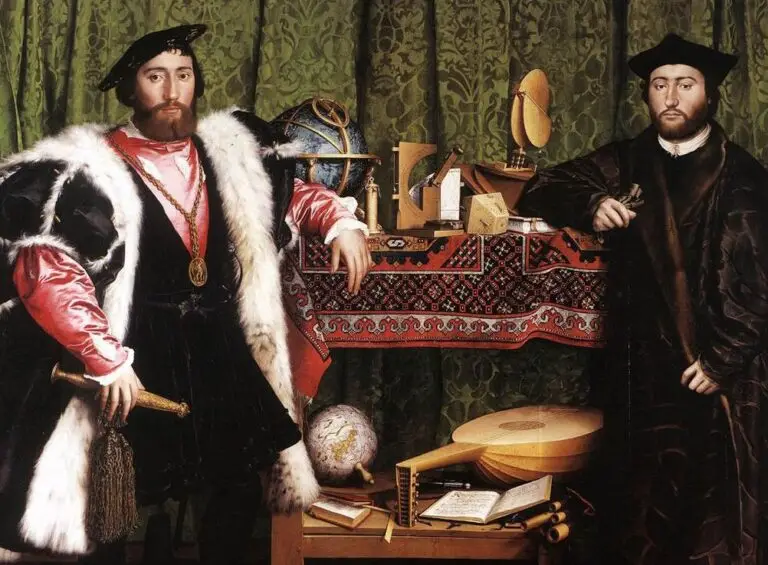
Ironically, many of the finest surviving examples of early Turkish carpets are preserved not only in collections but also in paint.
These artworks remind us that Ottoman weaving was admired far beyond Anatolia. The empire exported more than textiles. It exported an aesthetic that reshaped European ideas of luxury.
Why They Continue to Matter
Centuries later, the appeal of a Turkish rug is not based solely on craftsmanship, although craftsmanship remains extraordinary.
It is the fact that these objects were never made to impress from a distance.
They were designed to be inhabited.
People prayed on them, welcomed guests across them, celebrated marriages upon them, and passed them from one generation to the next. Every repaired edge and softened knot records a life that unfolded above it.
That is why an Ottoman Turkish carpet feels different from a manufactured floor covering. It carries signs of use without losing dignity.
Its beauty comes not only from the hands that made it, but from the lives that continued to shape it.