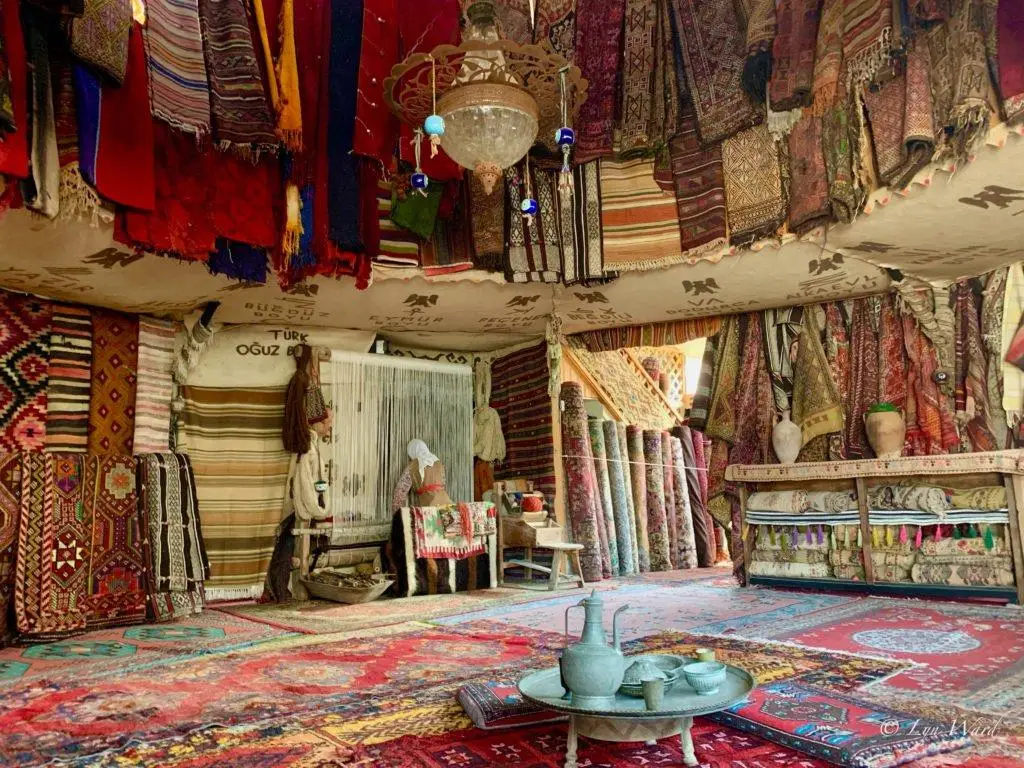
For Anatolian nomads, a woven textile was never simply something placed on the floor. Turkish rugs, Anatolian kilims and other handmade textiles were among the most adaptable possessions a family could own. They could provide warmth, protect against the elements, define a living space, create a place to eat, cover bedding, store belongings and even become a comfortable playground for children.

This practicality was closely connected to the nomadic way of life. Communities such as the Yörüks of Anatolia moved seasonally between pastures, taking their household belongings with them. When a home could be dismantled and transported, heavy furniture was not particularly useful.
Textiles, on the other hand, could be rolled, folded, stacked and carried.This is one of the reasons Anatolian rugs and kilims are so closely connected to the history of nomadic culture. Their beauty was important, but so was their usefulness. A single handmade Turkish rug or kilim could serve several purposes during the course of a day and continue to be useful for years.
A Home That Could Be Packed Away
Traditional Anatolian nomadic life required a different idea of what a home meant. Instead of permanent rooms filled with furniture, the tent created a flexible domestic space that could be assembled, used and eventually packed away. Every object inside it therefore had to make sense within a mobile lifestyle.
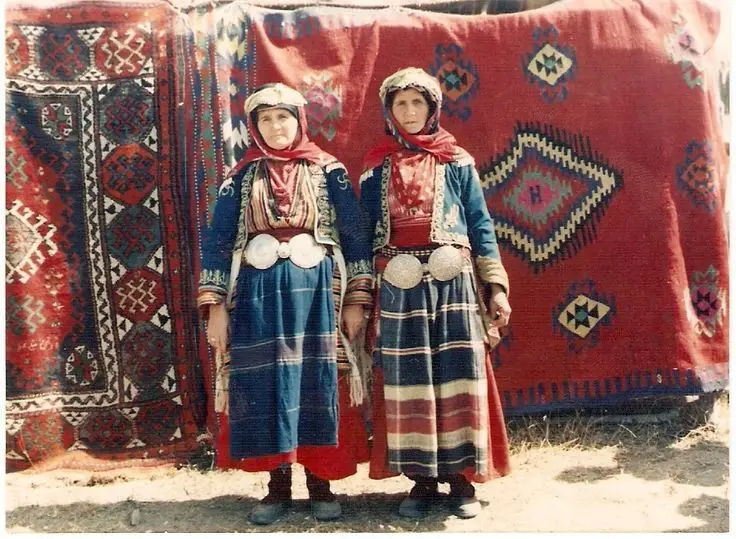
Turkish carpets and kilims were particularly well suited to this way of living. They could be rolled into compact bundles during migration and spread out again when the family arrived at a new location.
Rather than carrying a wooden table, chairs, cupboards and other heavy furnishings, a family could rely on textiles to create much of the interior.The tent could therefore be transformed with remarkably few possessions. An Anatolian kilim created a clean and comfortable surface. Cushions could be placed around it to form a seating area.
A kilim could be hung to create a visual division or provide additional protection from the weather. Bedding and household goods could be arranged around the edges.In this sense, the Turkish kilim was almost a piece of portable architecture.It did not simply decorate the home. It helped create the home.
Turkish Rugs as Protection From the Ground and Weather
One of the simplest uses of a traditional Turkish rug was also one of the most important: creating a protective layer between the family and the ground.A tent pitched directly on earth could become cold, damp or uncomfortable, particularly during colder seasons.
Layering Anatolian rugs and kilims across the ground helped create a warmer and more comfortable interior.
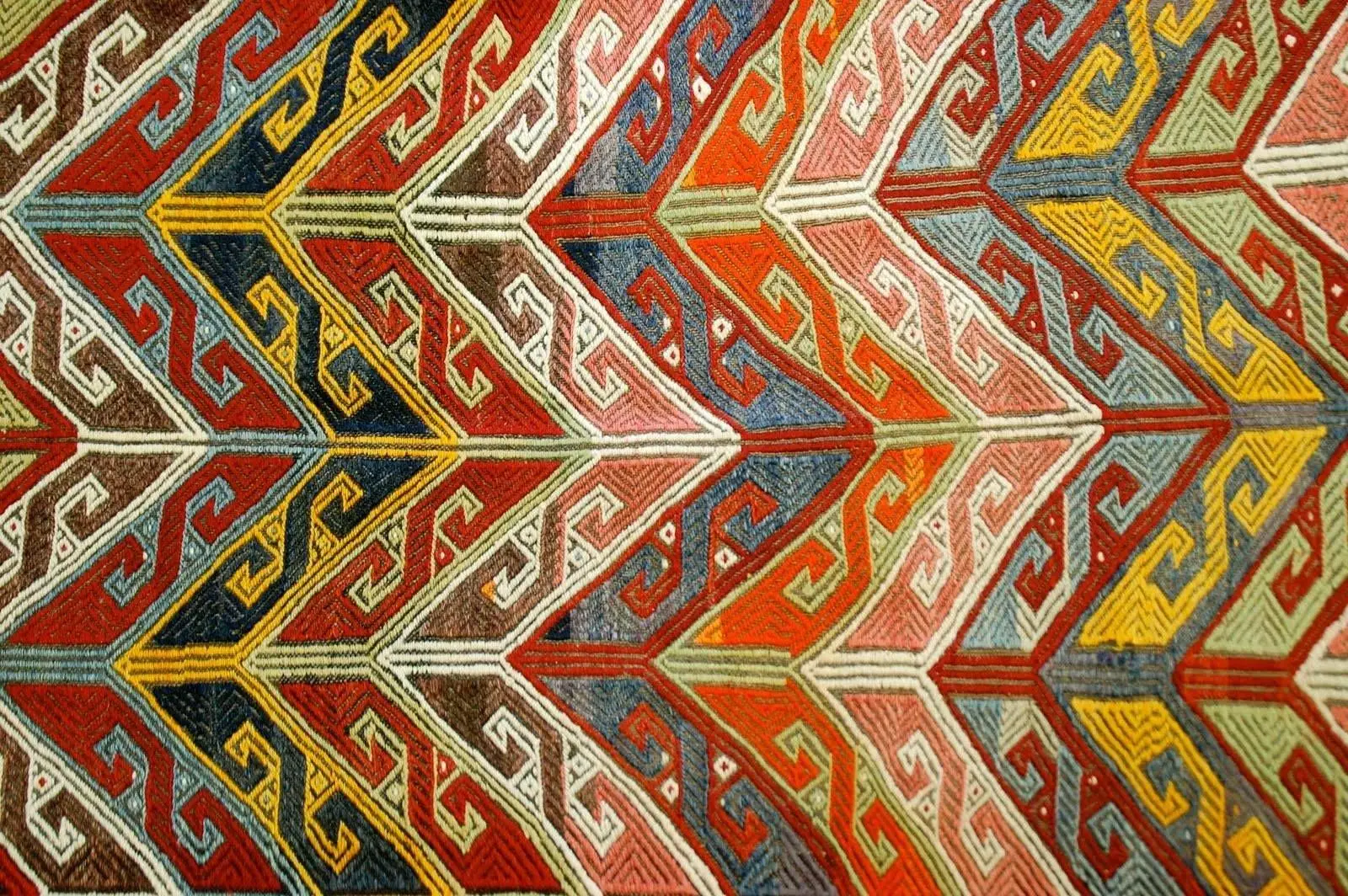
Wool was especially practical for this purpose. It offered insulation while remaining flexible enough to roll and transport. Other traditional Anatolian textiles, including those made from goat hair, were also valuable for their durability and suitability for nomadic life.
Textiles could also be used beyond the floor. Depending on their construction, they could form additional layers around parts of the tent, cover stored belongings or act as curtains and dividers.
This practical relationship between textile and shelter is an important part of Turkish carpet history. Before Turkish carpets became objects collected for their artistic value, woven textiles were closely connected to the everyday needs of the people who made and used them.
The Dining Room Was the Floor
Today, we often associate dining with a table and chairs. In traditional Anatolian nomadic homes, the floor could serve the same purpose. Once a Turkish rug or kilim had been spread across the ground, it created a defined and comfortable surface for sitting and eating. Food could be brought directly onto the textile, and family members could gather around it.
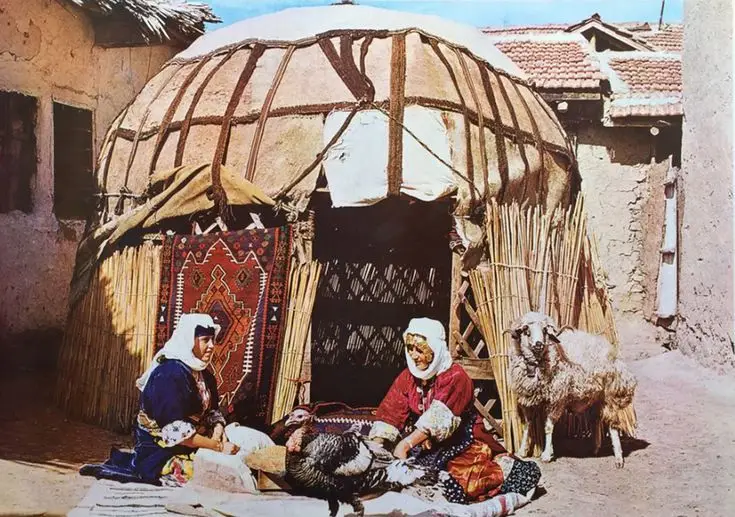
The same space could change function as soon as the meal was over. This was one of the great advantages of a nomadic interior. There was no need for a separate dining room, living room or children's room. The same traditional Anatolian rug could accommodate all of these activities.
A Turkish carpet could provide the foundation for a family meal in the afternoon and become a seating area for conversation later in the day. For guests, the carpet also helped create a welcoming environment. Hospitality was an important part of traditional Turkish culture, and the textile-filled interior of the tent provided a comfortable setting for receiving visitors.
A Playground for Children
The flexibility of the nomadic tent was particularly useful for children.
The floor was where much of everyday life took place, and an Anatolian kilim provided a warmer, softer surface than bare earth. Children could sit, crawl and play on it while remaining close to the family.
There was no need to dedicate a separate room to play. The same nomadic rug that served as a dining surface could become a playground a few hours later.
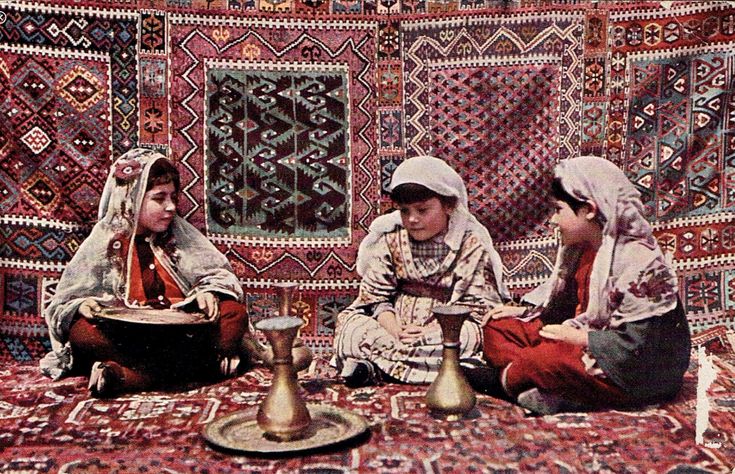
This may seem like a small detail, but it illustrates something fundamental about nomadic rugs and carpets. Their value came from their ability to adapt. A woven textile did not have one permanent function. Its purpose changed according to the moment and the needs of the household.
Bedding, Curtains and Privacy
As evening approached, the interior of the tent could transform once again.
Bedding and other household textiles could be brought out, while pieces that had been used during the day could be folded or rearranged. Woven coverings could protect bedding and stored belongings, while Turkish kilims or other textiles could also act as curtains or dividers.
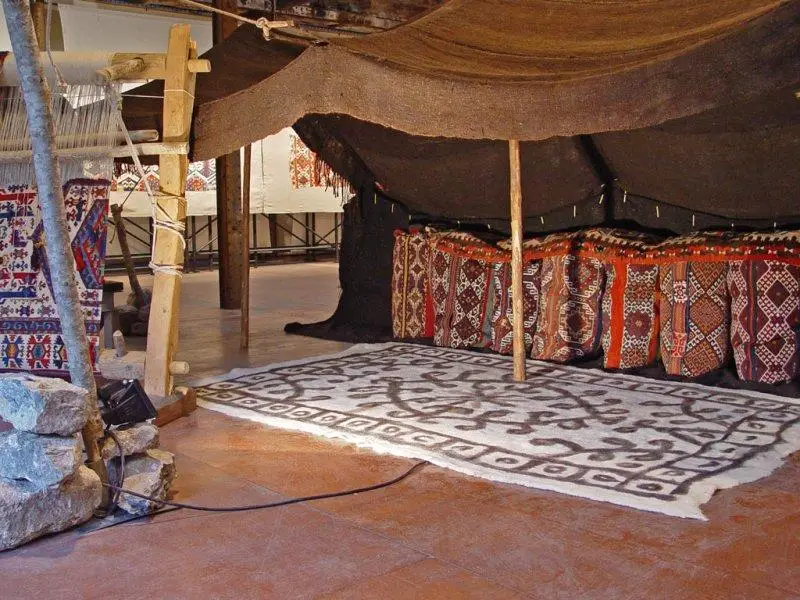
In a space where one tent served as a bedroom, kitchen, living room and social area, creating temporary divisions was important.
A textile was ideal for this. Unlike a wooden partition, it could simply be folded away when it was no longer needed.This multifunctionality is one reason traditional Anatolian rugs are so interesting when viewed in their original cultural context. Their design cannot be separated completely from the environments in which they were used.
Storage That Traveled With the Family
The versatility of Anatolian carpet weaving extended far beyond flat carpets. Nomadic communities produced woven bags, sacks and saddle bags for transporting everyday belongings.
The heybe, a traditional double-sided woven saddlebag, is one well-known example. It could be placed over an animal and used to carry goods while traveling. Other woven containers could hold food, clothing, bedding and household necessities.
This tells us something important about Turkish rug weaving and the wider textile tradition. The distinction between decoration, furniture and storage was much less rigid than it is today. A woven object could be practical and beautiful at the same time.

The same skills used to produce an Anatolian kilim could also produce the bags and coverings needed for migration. Patterns, colors and weaving techniques could therefore appear across many different objects within the household.
One Textile, Many Lives
Perhaps the most fascinating aspect of Turkish carpets and kilims in Anatolian nomad culture is their ability to change roles. A kilim could begin the day as a protective floor covering. At lunchtime, it became a dining area. In the afternoon, children could play on it. Later, cushions could turn it into a seating space for the family. At night, surrounding textiles could be rearranged to create a more private sleeping environment.The object remained the same.

Only its function changed.This is why describing traditional Turkish carpets simply as floor coverings does not tell the whole story.
Within nomadic culture, woven textiles were part of the infrastructure of daily life. They helped people eat, sleep, travel, store their belongings, welcome guests and protect themselves from the environment. Their portability was their greatest advantage.