There is a reason you keep spotting vintage Turkish rugs in the homes of leading designers, boutique hotels, and beautifully understated apartments from New York to Copenhagen.
They are architectural. They soften concrete, balance clean lines, and bring a sense of history into rooms that might otherwise feel too perfect.
In an era where interiors are moving away from showroom minimalism toward homes with personality, designers consistently reach for vintage Turkish rugs because they offer something that cannot be manufactured overnight: authenticity.
Recent design editors have even noted that genuine vintage rugs are increasingly preferred over reproductions precisely because their wear, patina, and craftsmanship give spaces lasting character.
The rug is often the first design decision
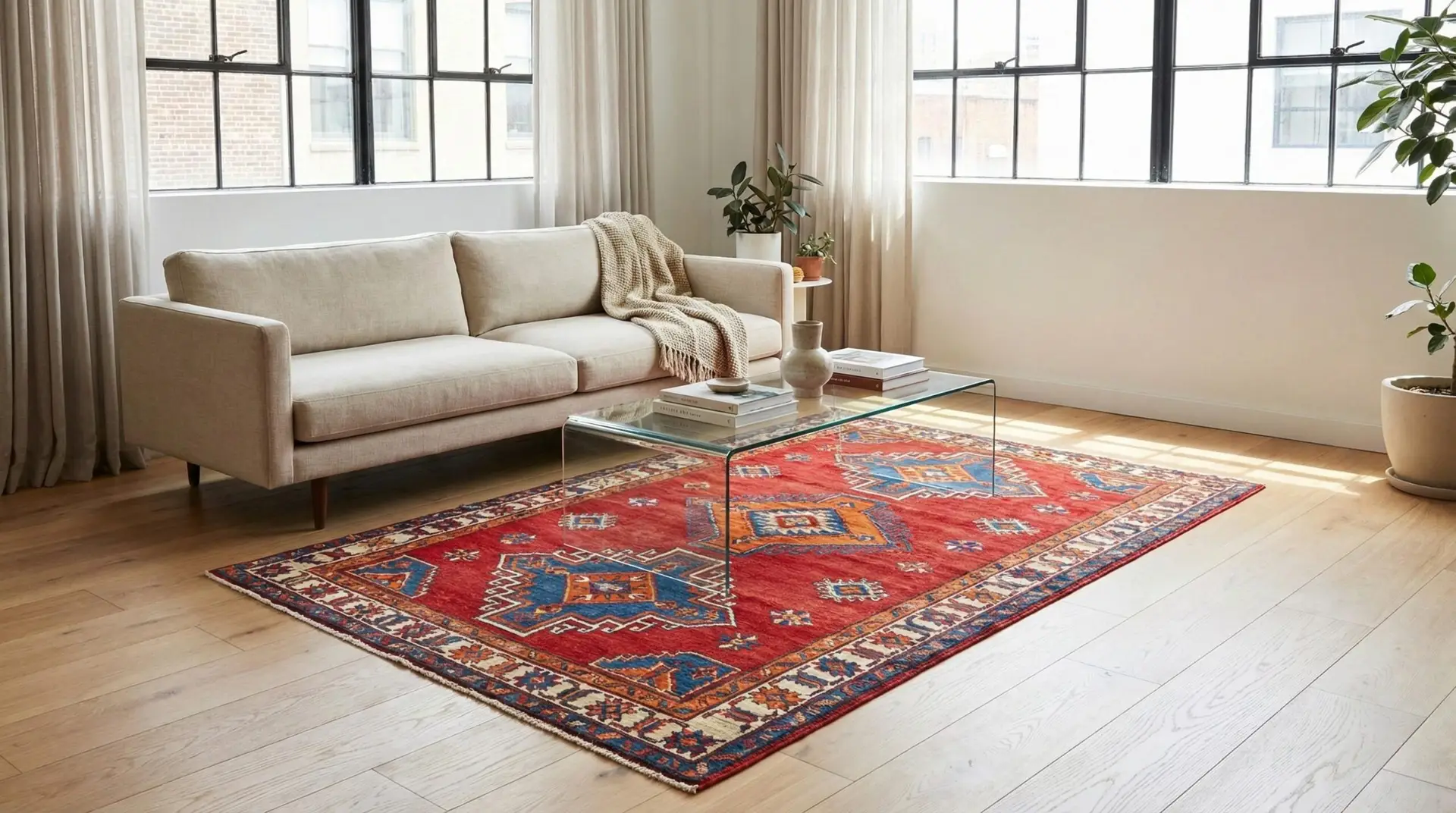
Many people imagine a rug as the finishing touch. Interior designers usually do the opposite. Instead of matching a rug to the sofa, they often choose the handmade Turkish rug first and let its colors determine everything else: the walnut dining table, the linen curtains, the olive velvet armchair. A good vintage rug acts almost like a color palette painted by nature.
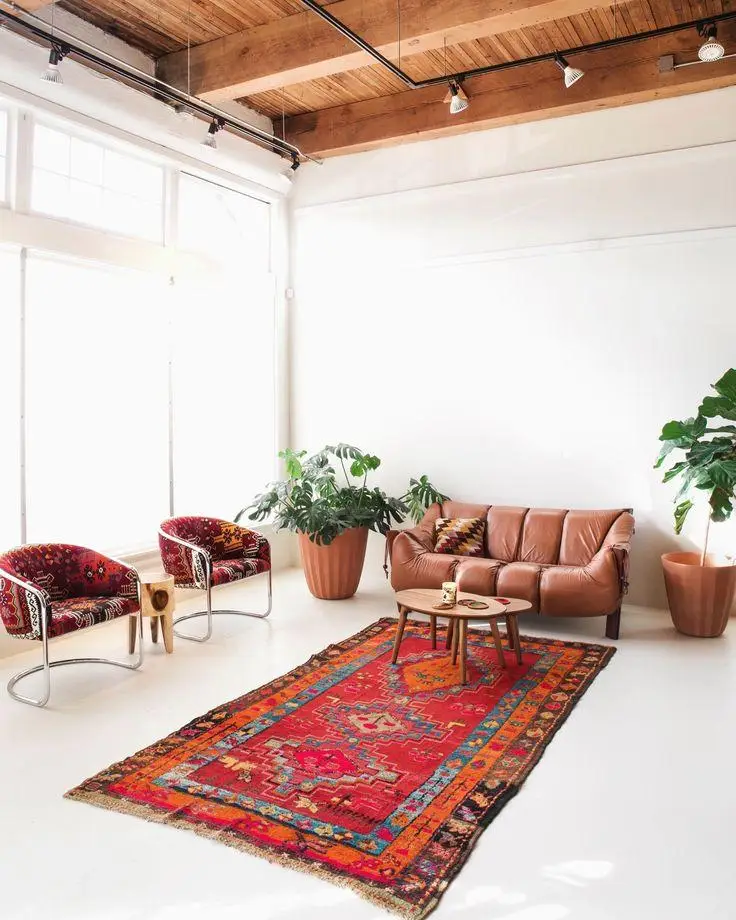
Notice how these rooms rarely feel “traditional.” The furniture is modern, the walls are quiet, and the rug becomes the one piece carrying memory. That contrast is exactly what makes it work.
Why vintage feels richer than new
A newly woven rug can certainly be beautiful, but vintage Anatolian rugs possess qualities that develop only through time.The vegetable dyes used in many older Turkish rugs mellow over decades, producing the dusty terracottas, faded indigos, warm saffrons, and soft ivories that designers describe as impossible to replicate perfectly. Rather than becoming dull, the colors become more nuanced.
The wool also develops a luminous finish as generations of use gently polish the fibers.Think of it like leather or natural wood: age is not damage; it is depth.
The beauty of imperfect symmetry
One of the easiest ways to recognize a handmade vintage Turkish rug is by looking for what machine production tries to eliminate.The border may wander ever so slightly.
A medallion might sit a centimeter off center. One flower may contain six petals while its twin has seven. These are not flaws; they are signatures of the human hand.

In Turkish weaving traditions, especially village rugs, perfect mathematical repetition was rarely the goal. The rhythm came from the weaver herself, knot by knot, often completed over many months. That subtle irregularity is precisely what makes a room feel relaxed rather than staged.
Three designer favorites from Anatolia
Not all Turkish rugs tell the same story. Different regions developed distinct visual languages.
Oushak - Soft luxury
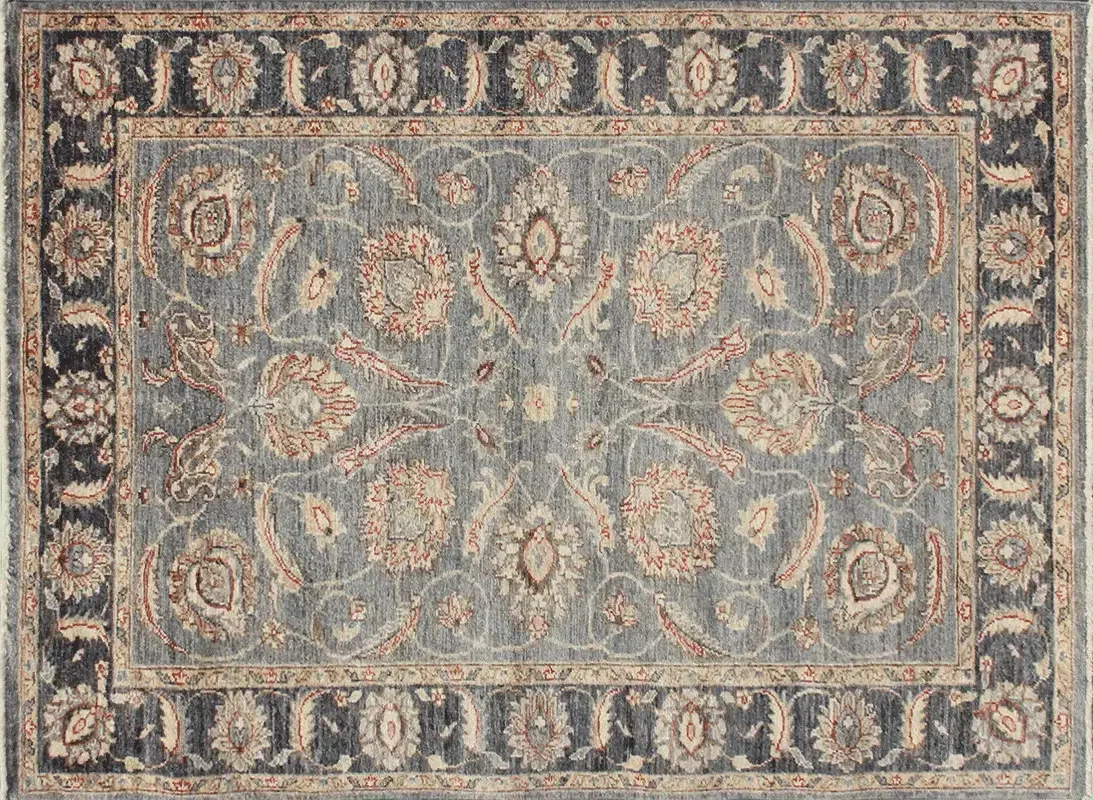
Known for oversized floral motifs and muted palettes, Oushak rugs are a favorite in contemporary interiors because they pair effortlessly with limestone, oak, and natural linen.
Konya - Bold geometry
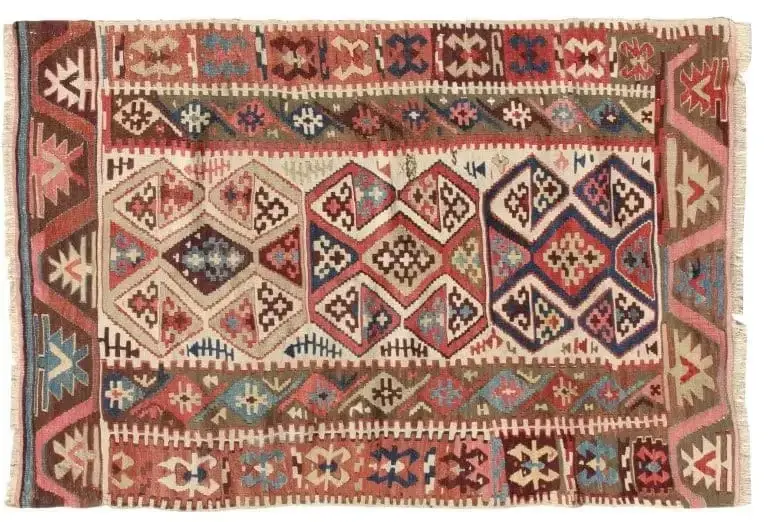
Konya rugs feature stronger geometric compositions and deeper reds. They are ideal for interiors that need one confident statement piece.
Bergama - Tribal character
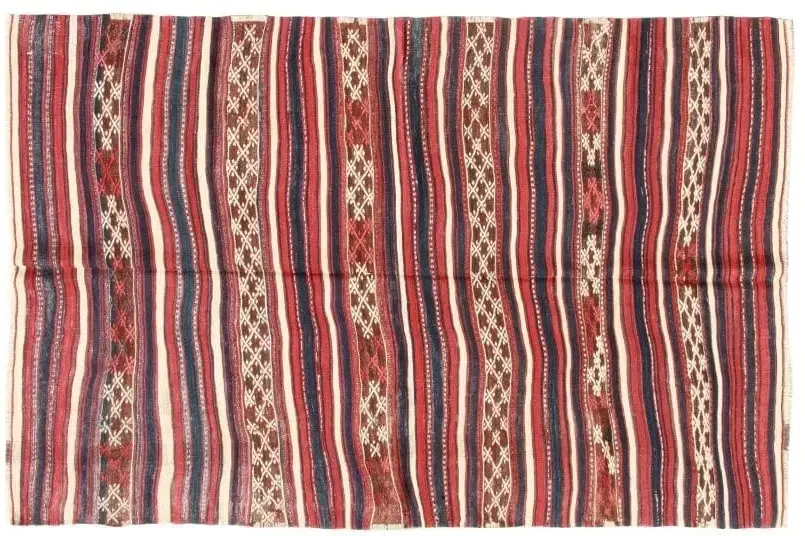
Bergama rugs are celebrated for their tribal motifs and dramatic color contrasts, bringing remarkable energy to otherwise minimal spaces.
A seasoned interior designer rarely asks for “a Turkish rug.” They ask for a feeling, and these regional styles each evoke something different.
How to choose a vintage Turkish rug like a designer
Before falling in love with a pattern, consider these four questions:
What is the room missing?
Warmth, texture, or color?
Will the rug anchor or soften the space?
Bold geometrics create energy, while faded florals calm it.
Is it hand-knotted wool?
Natural wool ages beautifully and remains exceptionally durable.
Do the colors look lived-in rather than bright? Gentle variation is often a sign of natural dye and age.
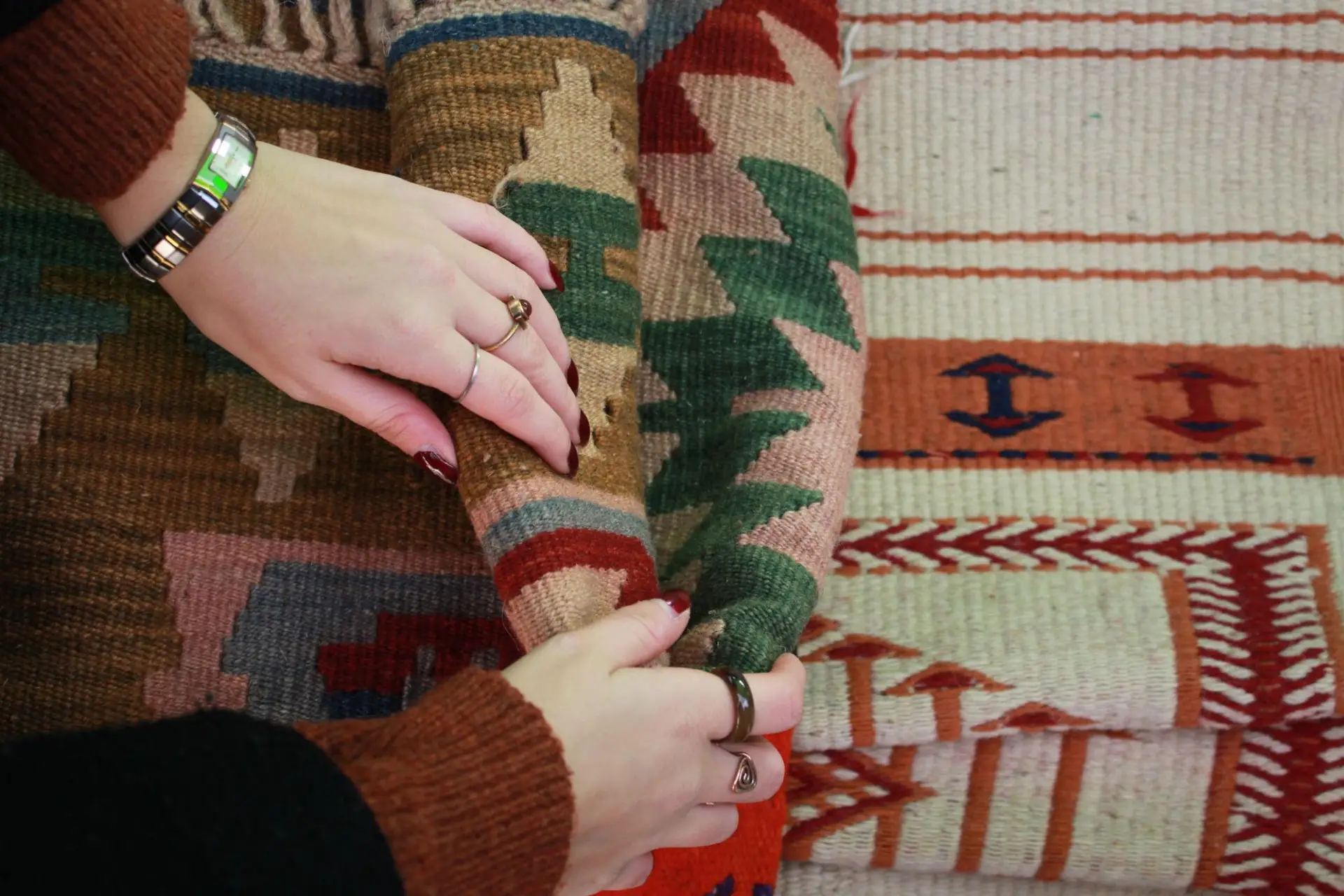
The goal is not to match your furniture perfectly. The most memorable interiors are built on thoughtful contrast.