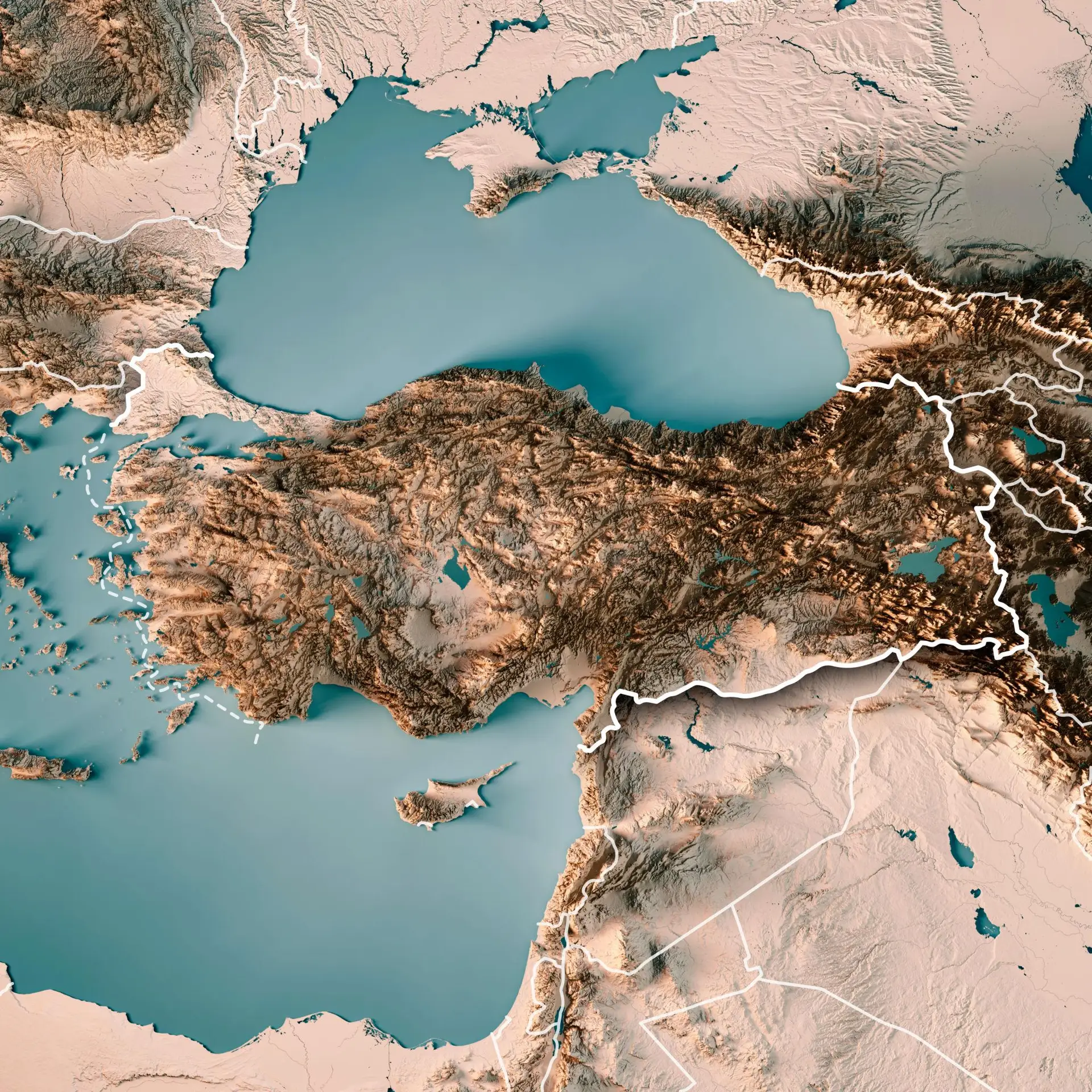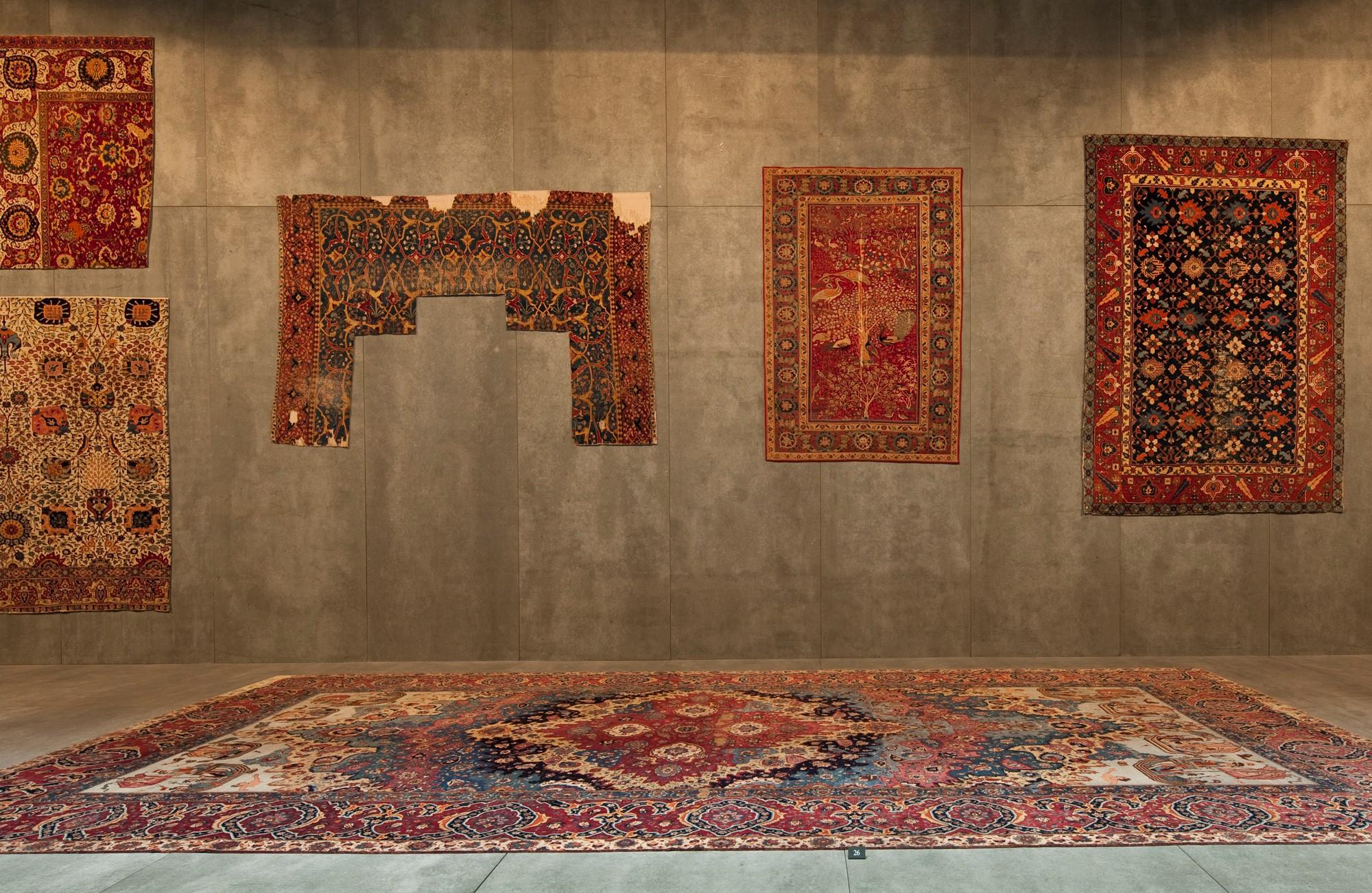
Someone standing in a museum in New York, a collector bidding at an auction in London, and a family decorating a home in Tokyo may have one thing in common: they're all looking at a rug woven in Anatolia. Few handmade objects have crossed as many borders—or survived as many centuries—as the Turkish rug. Long before global trade, luxury brands, or interior design trends existed, Turkish carpets were already changing hands between sultans, merchants, artists, and travelers. They appeared in Renaissance paintings before most Europeans had ever set foot in the Ottoman Empire. They decorated churches, palaces, merchant homes, and eventually modern apartments. That raises an interesting question.
Why did one type of handmade carpet become recognized almost everywhere in the world?
The answer isn't simply because they're beautiful. Beauty helps, of course, but fame on this scale requires something deeper: remarkable craftsmanship, cultural storytelling, technical innovation, and a reputation that has been built over nearly a thousand years.
Turkish Rugs Were Global Long Before Globalization
People often assume that Turkish rugs became internationally famous because of tourism.In reality, they became an international luxury product hundreds of years before tourism even existed. By the 15th and 16th centuries, merchants were transporting Turkish rugs from Anatolia across the Mediterranean into Venice, Genoa, and other European trading ports.
Wealthy families displayed them as symbols of sophistication, often placing them over tables instead of floors to protect their valuable textiles.The demand became so strong that European painters started including them in portraits. This wasn't an accidental decoration.

Owning a handmade Turkish carpet communicated wealth, international connections, and refined taste. Artists painted them because patrons wanted viewers to recognize that status immediately.
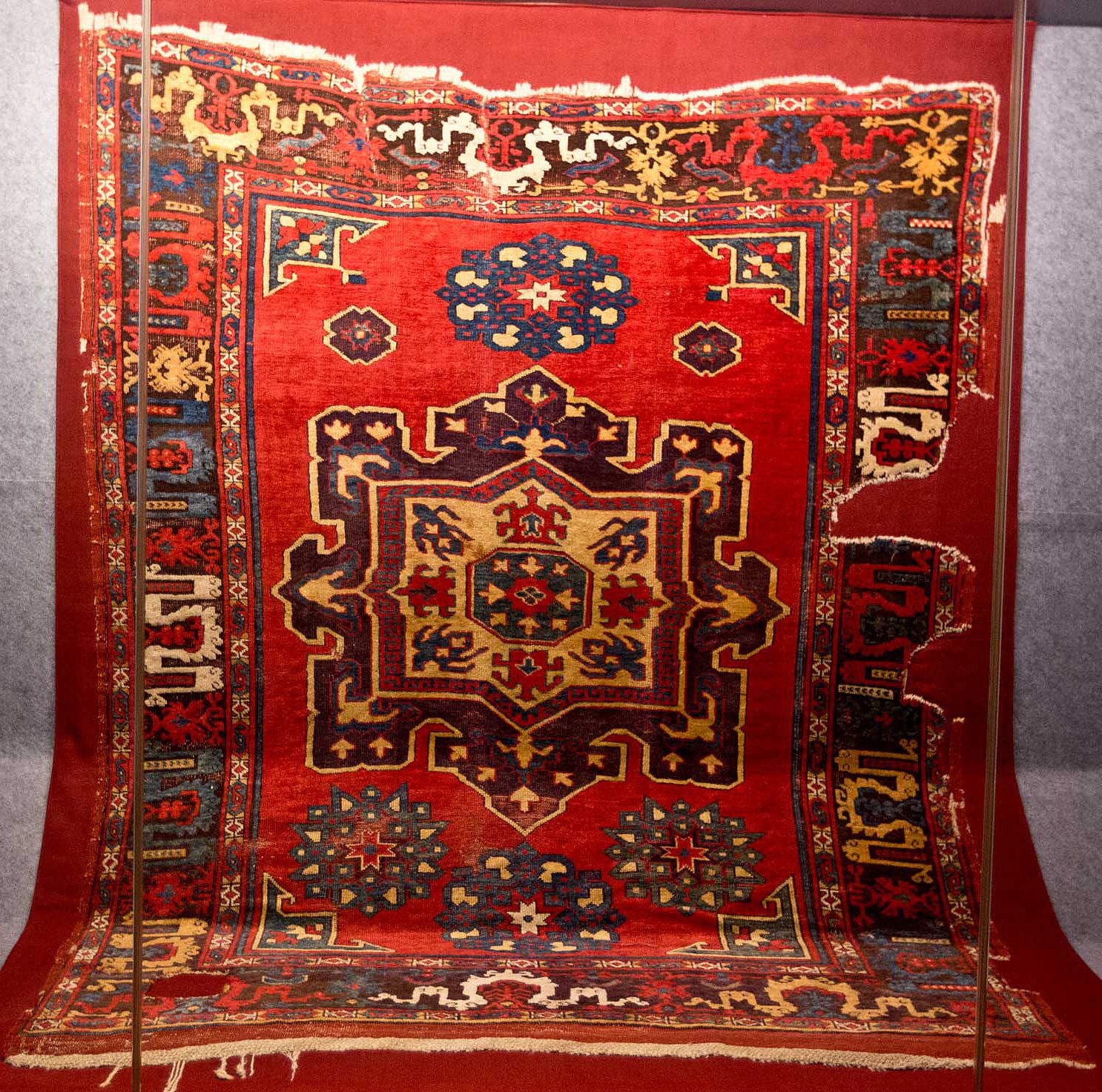
Today, historians often identify these carpets in paintings with remarkable accuracy, tracing them back to weaving regions such as Uşak or Holbein-style Anatolian workshops.In other words, Turkish carpets became famous centuries before photography, advertising, or branding existed.
That reputation spread entirely through craftsmanship.
The World's Most Recognizable Carpets Rarely Carry a Signature
Imagine spending almost a year creating an object that may outlive you by two centuries. Now imagine never signing your name.That is how countless Anatolian women worked for generations.Unlike painters or sculptors, most rug weavers remained anonymous.
Their reputation lived inside the quality of their work rather than a written signature.Ironically, this anonymity made the rugs themselves even more famous. Collectors learned to recognize a carpet not by the maker's name, but by its weaving style, knot density, wool quality, color harmony, and motifs. Experts can often identify the village—or sometimes even the workshop—where a rug was woven simply by studying these details. Few art forms demand this level of observation.

A Turkish Rug Is One of the Few Objects That Ages Like Leather or Wine
Most home furnishings begin losing value the day they're purchased. A genuine handmade Turkish rug often follows the opposite path.Natural wool softens. Vegetable dyes mellow into more complex tones.
The surface develops a gentle patina that cannot be manufactured in a factory. Collectors even have a word for these subtle shifts in color: abrash. Rather than seeing these tonal variations as imperfections, experienced collectors consider them proof that the yarn was dyed in small handcrafted batches instead of industrial vats.
It's one reason antique Turkish rugs continue attracting buyers who could easily afford something newer.Sometimes age is the feature—not the flaw.
The Carpet That Quietly Changed European Art
If you've ever admired a Renaissance painting, there's a good chance you've already seen a Turkish rug—even if you didn't realize it. From the 15th century onward, Anatolian carpets became so prized in Europe that artists began including them in portraits of nobles, merchants, diplomats, and religious figures.
These weren't decorative additions chosen at random. A Turkish carpet instantly communicated prosperity, education, and access to international trade.Today, art historians can often identify the exact type of carpet depicted in a painting. Some have become so closely associated with certain artists that they borrowed the painters' names. "Holbein rugs" and "Lotto rugs," for example, are both named after Renaissance painters who portrayed them repeatedly, even though the carpets themselves originated in Anatolia.
This unexpected connection between weaving and painting has helped preserve the history of many Turkish carpets. In some cases, the painted versions are the only surviving record of designs that are no longer woven today. It is remarkable to think that a textile made by anonymous artisans in a small Anatolian town could become immortalized in some of Europe's most celebrated works of art.
Why No Two Handmade Turkish Rugs Are Ever Exactly the Same
Modern manufacturing aims for perfect consistency. Every product should look identical to the one beside it.Traditional rug weaving follows a different philosophy.Even when two weavers begin with the same design, they will make hundreds of tiny decisions as they work.
One flower may be slightly larger, a border may shift by a single knot, or a shade of red may vary because the wool absorbed natural dye differently.These aren't mistakes. They are traces of the human hand.

Many village weavers worked without printed patterns, relying instead on memory and techniques passed down through generations. Their designs evolved as they were woven, making each handmade Turkish rug a one-of-a-kind expression of a shared tradition.For collectors, these subtle variations are part of the appeal. They reveal that the rug wasn't produced by a machine following digital instructions, but by a person interpreting a centuries-old craft.
A Turkish Rug Is Designed to Be Lived With
Perhaps the greatest reason Turkish rugs have remained famous is that they were never created as museum pieces. For centuries, they were part of everyday life. They warmed stone floors during harsh winters, covered the walls of nomadic tents, marked spaces for prayer, welcomed guests into family homes, celebrated weddings, and became treasured heirlooms passed from one generation to the next. That practical purpose shaped the way they were woven.
The famous symmetrical Turkish knot, strong wool fibers, and tightly constructed foundations were developed to withstand daily use rather than occasional display. Many antique rugs that are more than a century old continue to serve their original function, a testament to the durability of traditional Anatolian craftsmanship.

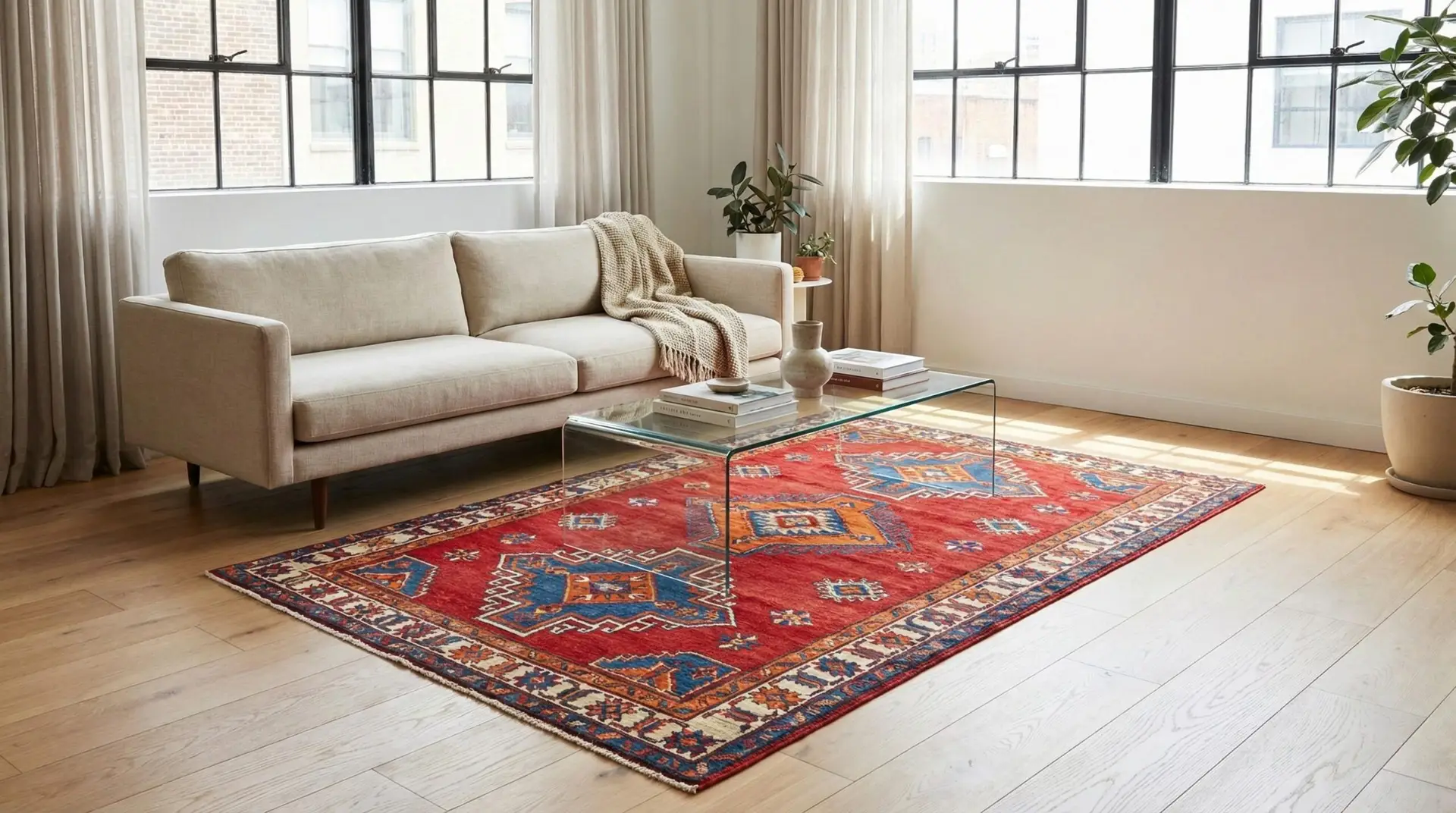
In today's homes, that same versatility continues to resonate. A vintage Turkish rug can anchor a minimalist apartment just as naturally as it complements a home filled with antiques. Interior designers often pair them with contemporary furniture because their organic textures and naturally aged colors bring warmth to modern spaces without overpowering them.
Unlike trends that come and go, a well-made handmade rug tends to adapt to its surroundings, becoming part of a home's story rather than simply matching its décor.
Seeing Turkish Rugs in Person Changes Everything
Photographs can capture colors and patterns, but they rarely convey what makes a handmade rug extraordinary.The way silk catches the light, the softness of finely spun wool, the subtle shifts created by natural dyes, or the astonishing precision of thousands of hand-tied knots only become fully apparent when viewed up close.This is one reason visitors to Istanbul often make time to explore traditional rug galleries. Seeing dozens—or even hundreds—of examples together reveals the incredible diversity of Anatolian weaving. A bold geometric rug from Bergama, a finely detailed Hereke silk masterpiece, or a softly faded vintage piece from Central Anatolia each tells a completely different story.
At Nakkaş Rugs, visitors have the opportunity to experience this diversity in one place. Rather than seeing Turkish rugs as a single style, guests discover how each region developed its own weaving traditions, color palettes, motifs, and techniques.
For many travelers, it becomes less about shopping and more about understanding one of Türkiye's most enduring cultural arts.It is an experience that often changes how people look at handmade carpets forever.